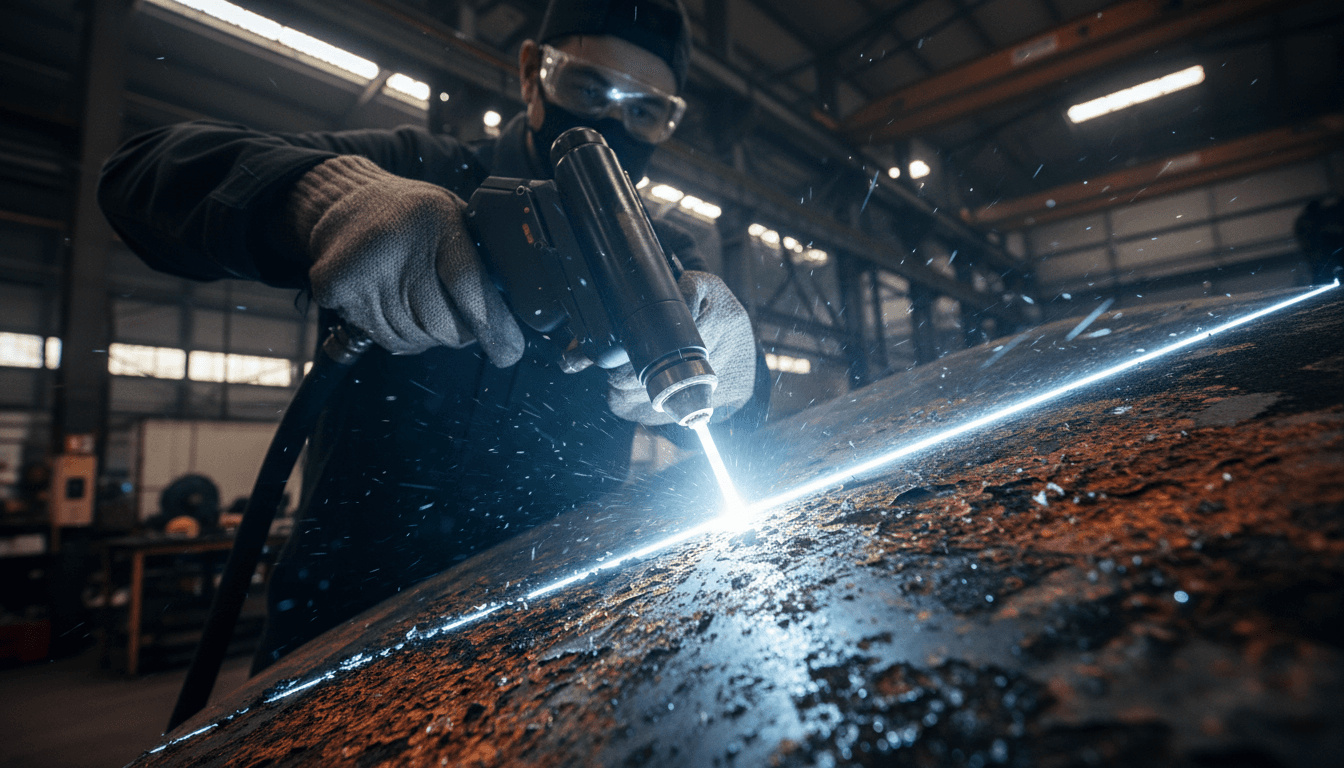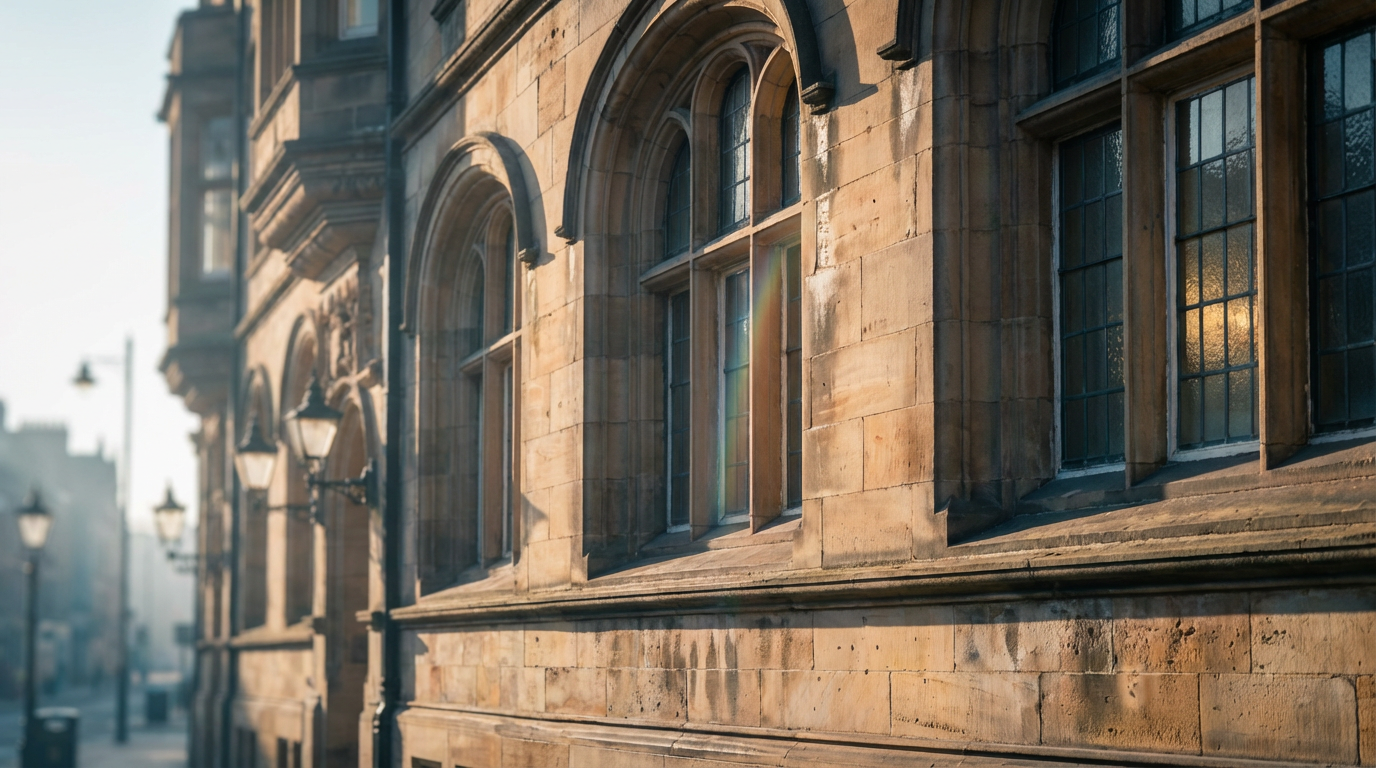
Laser cleaning is an environmentally sustainable alternative to traditional methods because it eliminates the use of toxic chemicals and abrasive media. This process ensures eco friendly laser cleaning no waste by vaporizing contaminants and capturing them through high efficiency filtration systems; this leaves behind no secondary materials to dispose of. By preventing surface abrasion and reducing environmental impact, it serves as a highly efficient green solution for industrial restoration.
Traditional surface preparation often feels like a choice between two evils. You either manage the toxic runoff associated with chemical stripping or the massive volume of contaminated grit generated by abrasive blasting. Both methods demand high disposal costs and carry environmental liabilities that modern, responsible operations can no longer ignore. Laser cleaning represents a paradigm shift in industrial maintenance by providing a surgical, zero-residue solution. By using concentrated light to vaporize contaminants, we eliminate secondary waste streams entirely. In this guide, we will analyze the hidden environmental costs of traditional methods and explain the mechanics of a truly no waste process. You will also learn about the role of advanced fume extraction and how this technology supports low carbon goals across the UK, from delicate heritage masonry to heavy industrial infrastructure.
The Environmental Cost of Traditional Surface Preparation
For decades, the standard approach to removing rust or paint has relied on physical force or aggressive chemistry. While sandblasting and chemical stripping are effective at revealing bare metal or stone, their environmental impact extends far beyond the job site. The primary issue is the generation of secondary waste. In the context of professional laser cleaning services, secondary waste refers to the massive volume of external material, such as crushed glass, garnet, or chemical solvents, that becomes contaminated during the process. When a chassis is blasted with 100kg of grit to remove 500g of rust, the operator is not disposing of just the rust; they are now responsible for 100.5kg of potentially contaminated material.
This volume of waste creates a significant logistical and ecological burden. In the UK, waste disposal is governed by strict regulations, particularly regarding the classification of spent abrasives and chemical sludge. Once grit is mixed with lead based paint, oils, or industrial residues, it often qualifies as hazardous waste. This requires specialized transport and disposal at licensed facilities, incurring high landfill taxes and disposal fees for businesses in Nottinghamshire. Furthermore, traditional media blasting can release fine particulate matter, including silica dust, into the atmosphere, posing risks to local air quality and operator health.
Chemical stripping presents even greater challenges. The runoff from harsh solvents can leach into soil or local water systems if not meticulously contained. As UK environmental standards tighten, the hidden costs of these traditional methods are becoming unsustainable. To understand how modern technology avoids these disposal fees, you can contact our certified laser safety officer to discuss the shift toward eco friendly laser cleaning no waste solutions for your next project.
What Makes Laser Cleaning a Truly No Waste Process?
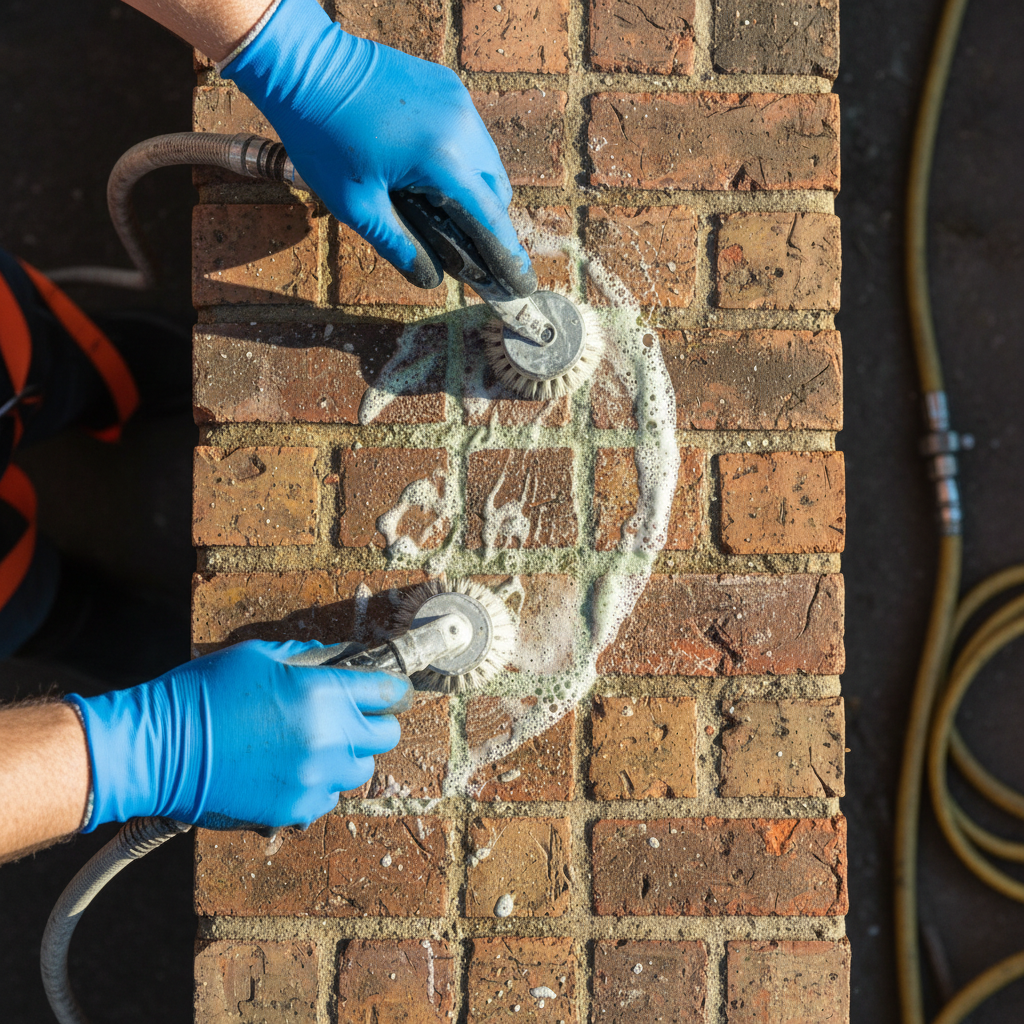
The core of the 300W pulsed laser process lies in two physical phenomena: ablation and sublimation. When the concentrated light hits a layer of rust, paint, or biological growth, it transfers high energy in extremely short bursts. This energy breaks the molecular bonds of the contaminant, causing it to vaporize or sublime; essentially, it transitions instantly from a solid to a gas or fine dust. Because the substrate, such as a classic car chassis or heritage stonework, reflects the specific wavelength of the laser, the underlying material remains untouched by the heat.
Process | Material Added | Cleanup Requirement |
|---|---|---|
Sandblasting | 50kg to 250kg of grit per hour | High; disposal of contaminated media |
Chemical Stripping | Litres of solvent and neutralizers | High; containment of toxic runoff |
300W Pulsed Laser | Zero | Minimal; extraction of vaporized particles |
Traditional media blasting works by mass displacement. To remove a thin layer of scale, an operator must introduce a massive volume of abrasive grit. This grit does not disappear; it mixes with the removed coating to create hundreds of kilograms of debris. In contrast, using professional laser cleaning services introduces zero additional materials to the environment. The defining advantage is the complete absence of secondary waste. Only the contaminant itself is removed, making this an eco friendly laser cleaning no waste solution that keeps work sites in Nottinghamshire efficient and clean.
Laser Cleaning vs Chemical Stripping: Eliminating Toxic Runoff
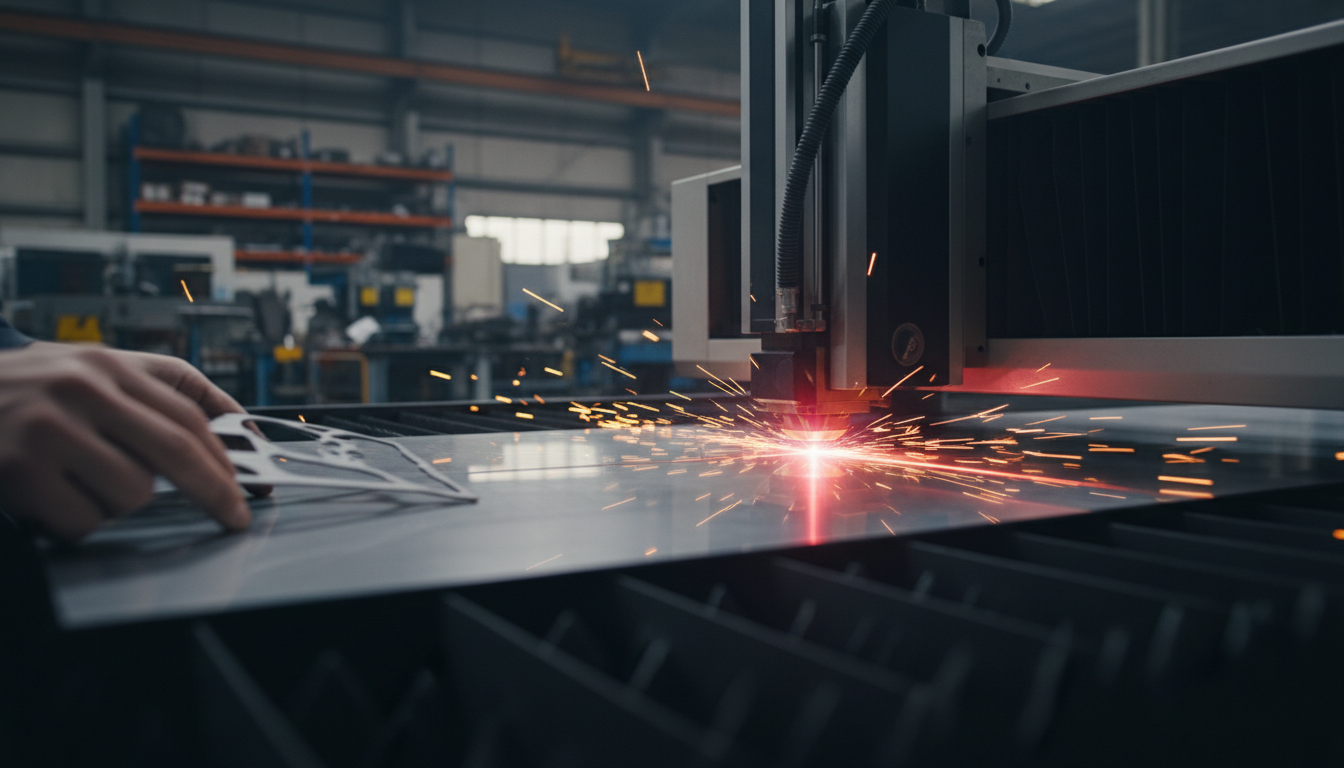
Chemical stripping relies on aggressive solvents to break down paint, resins, or grease, creating a liquid waste stream that is notoriously difficult to manage. For industrial sites and workshops across Nottinghamshire, the risk of chemical runoff entering local drainage or groundwater is a significant environmental and legal liability. These liquid agents often release Volatile Organic Compounds (VOCs) into the atmosphere; these are hazardous gases that can cause long term respiratory issues and contribute to poor indoor air quality. By substituting these harsh reagents with light, Ablate Laser Cleaning provides an eco friendly laser cleaning no waste alternative that avoids the use of neutralizing acids or large volumes of rinse water.
This process is particularly effective for high precision industrial tasks such as degreasing and weld preparation. Traditionally, preparing a metal surface for a structural weld requires chlorinated solvents or brake cleaners to remove manufacturing oils. The 300W pulsed laser removes these contaminants through instant sublimation, leaving the metal chemically clean and ready for welding without the risk of solvent entrapment. For sensitive projects involving heritage masonry conservation, this dry approach ensures that no acidic or alkaline residues are absorbed into porous brick or stone, preventing the salt crystallization that often follows chemical washing.
Impact Factor | Chemical Stripping | 300W Pulsed Laser |
|---|---|---|
Waste State | Toxic liquid sludge | Vaporized particles (captured) |
Air Quality | High VOC emissions | Zero VOCs |
Substrate Residue | Potential chemical film | None; bare substrate |
Local Water Risk | High runoff potential | Zero liquid discharge |
If your operation requires a contaminant free surface without the environmental hazards of industrial solvents, you can contact our certified laser safety officer to review the technical specifications of our professional laser cleaning services.
The Role of Fume Extraction in Eco Friendly Operations
Addressing the environmental benefits of sublimation requires an honest look at where the vaporized material goes. When a 300W pulsed laser strikes a layer of lead-based paint or thick oxidation, that material does not vanish into non-existence; it transitions into a mixture of fine dust and gases. If these particles were allowed to drift freely, the process would simply trade ground-level waste for air pollution.
This is why professional fume extraction is non-negotiable for professional laser cleaning services. Our equipment utilizes high-efficiency particulate air (HEPA) and activated carbon filtration systems that capture 99.9 percent of airborne contaminants at the point of origin. This extraction process ensures that heavy metals, carbon soot, and microscopic debris are trapped in a controlled filter element rather than being inhaled by the operator or settling on the surrounding environment.
Feature | Professional Extraction System | DIY / Unfiltered Setup |
|---|---|---|
Particle Capture | 99.9% (HEPA Grade) | 0% (Released to Air) |
Safety Compliance | Certified Laser Safety Officer oversight | High respiratory risk |
Environmental Impact | Contaminants contained in filters | Local air quality degradation |
Odour Control | Activated carbon neutralisation | Pungent vaporization smells |
The integration of these systems is what allows the technology to remain an eco friendly laser cleaning no waste solution. By capturing the minute volume of original contaminant, we maintain a clean workspace in Hucknall without the need for respirators for bystanders. For those concerned about the safety protocols involved in vaporizing hazardous coatings, you can contact our certified laser safety officer to discuss our specific containment and filtration standards.
Preserving Heritage Masonry without Water or Abrasives
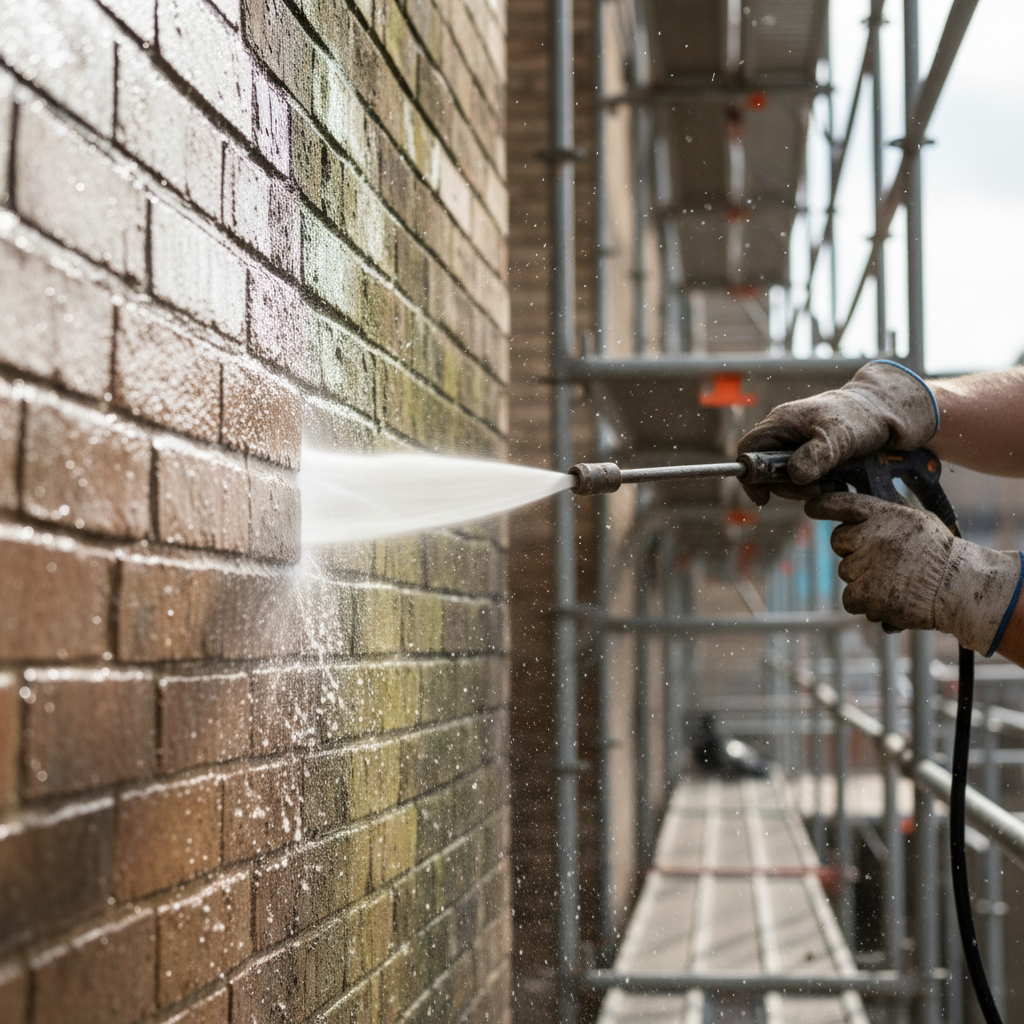
The integrity of historic buildings across the East Midlands, from the industrial brickwork of Nottingham to the limestone features of heritage estates, relies on maintaining the masonry's original protective surface. Traditional restoration often uses high pressure water or chemical washes, both of which introduce moisture into porous substrates. For historic structures, this water ingress is a primary cause of long term decay. As moisture evaporates, it draws soluble salts to the surface, a process known as efflorescence, which leads to salt crystallization and eventual spalling. In the UK's damp climate, trapped water also subjects the stone to freeze thaw damage, where expanding ice physically cracks the masonry from within.
Utilizing professional laser cleaning services provides a critical dry alternative. The 300W pulsed laser targets only the dark pigments found in carbon soot, pollutants, and biological growth like lichen or moss. Because the light reflects off the lighter colored stone or brick, the process stops instantly at the substrate. This precision preserves the fire face of the brick, the hard, vitrified outer skin created during the original kiln firing. Once this skin is lost to sandblasting or harsh scrubbing, the softer interior of the brick is exposed to rapid weathering.
Conservation Risk | Traditional Methods | 300W Pulsed Laser |
|---|---|---|
Moisture Ingress | High; risks internal structural decay | Zero; completely dry process |
Surface Abrasion | Risk of scouring or ghosting | Non-destructive; maintains texture |
Salt Migration | Triggered by water saturation | Prevented; no liquid used |
Biological Regrowth | Accelerated by moisture in pores | Inhibited by clean, dry pores |
This eco friendly laser cleaning no waste approach is particularly vital for delicate mortar joints and intricately carved details that would be eroded by even the finest glass bead blasting. To ensure your restoration project meets the highest conservation standards without risking the building's structural health, you can contact our certified laser safety officer to discuss heritage masonry conservation techniques tailored for local Nottinghamshire stone.
Energy Consumption: Is Laser Cleaning Actually Low Carbon?
Sustainability in surface restoration extends beyond what is left on the ground; it also involves the energy required to perform the task. A common concern regarding professional laser cleaning services is the electrical demand of the equipment. However, when compared to the massive diesel-powered compressors required for industrial sandblasting, the 300W pulsed laser is remarkably efficient. A standard sandblasting setup requires a compressor capable of generating high CFM (cubic feet per minute) of air, often burning several litres of diesel per hour just to move the abrasive media. In contrast, the laser system converts electricity directly into focused light pulses, applying energy only where the beam meets the contaminant.
This precision prevents the energy waste associated with broad-spectrum cleaning methods. While chemical stripping involves the energy-intensive manufacturing and transport of heavy liquid solvents, the laser process is localized and direct. For Nottinghamshire businesses aiming for carbon reduction goals, this technology offers a measurable advantage. The system's ability to selectively target dark oxidation or paint while reflecting off the metallic or stone substrate means no energy is wasted heating the object itself.
Preparation Method | Energy Source | Carbon Intensity |
|---|---|---|
Sandblasting | Diesel-driven air compressors | High; constant fuel consumption and emissions |
Chemical Stripping | Industrial chemical synthesis | High; resource-heavy production and logistics |
300W Pulsed Laser | Standard electrical supply | Low; targeted application of light energy |
By eliminating the need for heavy machinery and fuel-reliant logistics, this eco friendly laser cleaning no waste approach reduces the overall carbon footprint of a project. To learn more about the technical specifications of our equipment and its efficiency on industrial sites, you can contact our certified laser safety officer for a detailed assessment.
Is There a Market for Eco Friendly Laser Cleaning in the UK?
The shift toward sustainable surface preparation is a response to the evolving regulatory landscape in the UK. Many manufacturing and engineering firms across Nottinghamshire are pursuing ISO 14001 certification to demonstrate their commitment to environmental management. Traditional methods like sandblasting create significant disposal challenges that often conflict with these sustainability targets. By integrating eco friendly laser cleaning no waste protocols, businesses eliminate the logistical burden of secondary waste disposal, directly supporting their environmental compliance goals.
Beyond industrial compliance, the restoration sector is experiencing a similar pivot. Classic car collectors and heritage masonry conservation specialists in the East Midlands are increasingly rejecting abrasive methods that risk thinning metal or leaving grit in hidden cavities. The market for professional laser cleaning services is expanding because it offers a precise, non-destructive path to bare metal. For projects ranging from heavy industrial equipment inspections to rare chassis restoration in Hucknall, the demand for clean, localized, and waste free technology marks the next standard in UK maintenance. You can contact our certified laser safety officer to discuss how our technology aligns with your project's environmental requirements.